Flash Turbo: The Definitive Guide to the Futuristic Racing Font
In the dynamic world of graphic design, typography is not merely about legibility; it is about emotion, speed, and identity. When a designer needs to convey adrenaline, precision, and forward momentum, standard serif or sans-serif fonts often fall flat. This is where Flash Turbo enters the stage. As a bold, futuristic display font specifically engineered for racing themes, Flash Turbo has carved out a niche for itself in the creative industry. Its sharp, fast-looking style makes it an indispensable tool for car racing logos, high-octane posters, and immersive video game interfaces.
But what exactly makes this typeface stand out in a crowded market of digital fonts? To understand its value, we must look beyond its aesthetic appeal and explore its structural design, practical applications, and the psychological impact it has on viewers. Whether you are a seasoned graphic designer, a marketing professional, or a hobbyist creating content for a gaming channel, understanding the utility of Flash Turbo can elevate your visual communication.
The Anatomy of Speed: Design Characteristics
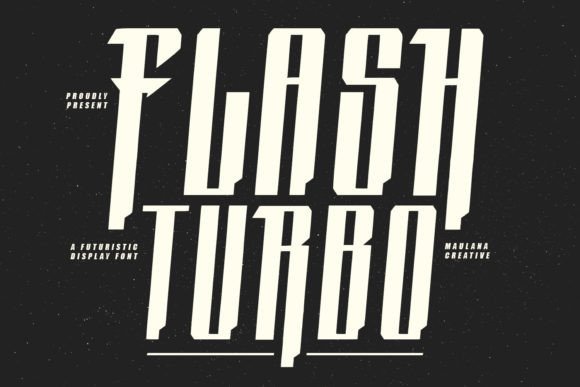
Flash Turbo is not just a font; it is a visual representation of velocity. The typeface is characterized by its aggressive slant, sharp angles, and streamlined curves. These elements are not arbitrary. In typography, italicized or slanted letters naturally suggest movement from left to right, mimicking the way we read and the way objects move in our peripheral vision. Flash Turbo takes this concept and amplifies it.
The "sharpness" mentioned in its description refers to the terminal points of the letters. Unlike rounded fonts that feel soft and approachable, the cut-off edges in Flash Turbo suggest precision engineering, much like the aerodynamic body of a Formula 1 car. This gives the font a strong, high-speed vibe that is instantly recognizable. It feels mechanical yet organic, bridging the gap between human creativity and machine efficiency.
Furthermore, as a display font, Flash Turbo is designed to be used at large sizes. It is not intended for long paragraphs of body text. Instead, it shines in headlines, titles, and logos where immediate impact is required. The bold weight ensures that it remains visible even against complex, busy backgrounds common in racing imagery, such as motion-blurred tracks or neon-lit cityscapes.
Practical Applications in Modern Media
The versatility of Flash Turbo extends across various media platforms. Its primary domain is undoubtedly the automotive and sports industries, but its influence spreads further. Here is how different sectors utilize this powerful typeface:
1. Automotive Branding and Logos
For car manufacturers, tuning shops, and racing teams, the logo is the face of the brand. Flash Turbo provides the instant credibility needed in this competitive sector. A logo using this font suggests that the vehicle is fast, reliable, and cutting-edge. It aligns the brand with concepts of innovation and performance.
2. Event Posters and Promotional Materials
When promoting a car show, a drift competition, or a go-kart tournament, the poster must grab attention within seconds. Flash Turbo’s futuristic style allows designers to create layouts that feel energetic and urgent. When paired with high-contrast colors like electric blue, bright red, or neon green, the font pops off the page, driving ticket sales and engagement.
3. Video Games and Esports
The gaming industry thrives on immersion. Racing games, in particular, rely on user interfaces that feel responsive and fast. Flash Turbo is ideal for in-game HUDs (Heads-Up Displays), title screens, and achievement badges. It helps maintain the thematic consistency of speed-focused games, enhancing the player’s experience by reinforcing the narrative of high-stakes racing.
Why Context Matters: Choosing the Right Font
While Flash Turbo is exceptional for its intended purpose, it is crucial to understand when not to use it. A common misunderstanding among beginner designers is that a "cool" font fits every project. However, using a racing-themed font for a law firm’s website or a children’s book would create cognitive dissonance. The aggressive nature of Flash Turbo clashes with themes of stability, tradition, or gentleness.
To use Flash Turbo effectively, consider the following guidelines:
- Match the Energy: Ensure the rest of your design elements—images, colors, and layout—match the high energy of the font.
- Limit Usage: Use it for headlines and short phrases. Avoid using it for body text, as the sharp angles can become fatiguing to read in long form.
- Pair Wisely: Combine Flash Turbo with a clean, neutral sans-serif font for secondary information. This creates a hierarchy that guides the viewer’s eye without overwhelming them.
The Psychological Impact of Typography
Typography influences how we feel about a message before we even read the words. This is known as typographic psychology. Flash Turbo leverages this by triggering associations with technology, future, and speed. When a consumer sees this font, their brain subconsciously prepares for an experience that is fast-paced and exciting.
In marketing, this is invaluable. If you are selling a product related to performance—whether it is energy drinks, athletic wear, or tech gadgets—using a font like Flash Turbo can increase perceived value. It signals that the product is modern and high-quality. Conversely, using a outdated or mismatched font can make a brand appear sluggish or irrelevant.
Integrating Flash Turbo into Your Workflow
For designers looking to incorporate Flash Turbo into their projects, the process is straightforward but requires attention to detail. Most modern design software, such as Adobe Photoshop, Illustrator, or Canva, supports custom font uploads. Once installed, experiment with kerning (the space between characters). Because Flash Turbo has unique angular shapes, adjusting the kerning can significantly improve readability and aesthetic balance.
Additionally, consider adding effects that complement the font’s futuristic nature. Subtle glows, metallic gradients, or motion blur effects can enhance the "turbo" aspect of the typeface. However, restraint is key. Over-effecting can make the text look cluttered and amateurish. Let the strong structure of the font do the heavy lifting.
Common Questions About Display Fonts
To further clarify the role of Flash Turbo, let us address some frequent questions:
- Is Flash Turbo suitable for print?
Yes, absolutely. Its bold lines translate well to print media, including banners, business cards, and magazine ads. Ensure you have a high-resolution file to maintain crisp edges. - Can I use it for non-racing topics?
While optimized for racing, its futuristic style also works well for sci-fi themes, technology blogs, and cyberpunk aesthetics. Any context requiring a sense of advanced technology or speed is appropriate. - What licenses are required?
Always check the specific license agreement provided by the font creator. Some fonts are free for personal use but require a commercial license for business projects. Respecting intellectual property is essential for professional integrity.
Conclusion: Accelerating Your Design Potential
Flash Turbo is more than just a collection of letters; it is a strategic design asset. By understanding its origins, characteristics, and best practices, you can harness its power to create compelling visual narratives. Whether you are designing a logo for a new racing team, creating a thumbnail for a gaming video, or crafting a poster for an automotive event, this font offers the perfect blend of style and substance.
In a digital age where attention spans are short, making an immediate impact is crucial. Flash Turbo provides that initial spark of excitement, drawing viewers in and communicating your message with clarity and force. As you continue to explore the world of typography, remember that the right font does not just display words—it embodies the spirit of your content. Embrace the speed, precision, and futuristic flair of Flash Turbo, and watch your designs accelerate to new heights.
For those interested in exploring more about typography trends or downloading high-quality assets, always refer to reputable font foundries and design communities. Staying updated with tools like Flash Turbo ensures that your work remains relevant, engaging, and professionally polished in an ever-evolving creative landscape.